Source Sound Healing Rain Stick for Meditation, Therapy, and Events
Find and compare sound healing rain stick options from verified manufacturers. This sourcing guide covers 30 available products, allowing buyers to evaluate materials like bamboo and wood, check MOQs, and request quotes for educational or therapeutic use; compare the available evidence and request quotations based on your requirements.
Key considerations
Products List







Comprehensive Sourcing Guide
Sound Healing Rain Stick Sourcing Guide
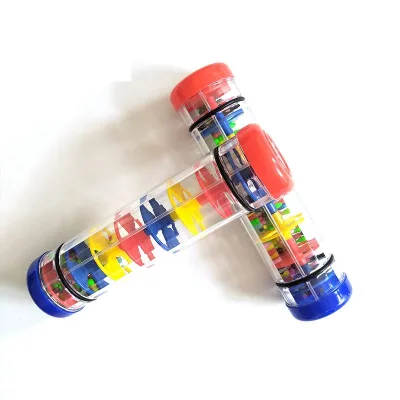
Sourcing sound healing rain sticks requires distinguishing between genuine acoustic instruments and generic percussion toys, as the market contains diverse product types ranging from educational tools to specialized therapeutic devices. Buyers must carefully evaluate product listings for specific acoustic properties, such as the internal bead arrangement and tube material, which directly influence the quality of the rain-like sound produced. The observed data indicates a mix of materials including bamboo, solid wood, and plastic, each offering distinct tonal characteristics and durability profiles that must align with the intended use case, whether for professional therapy sessions or general educational purposes.
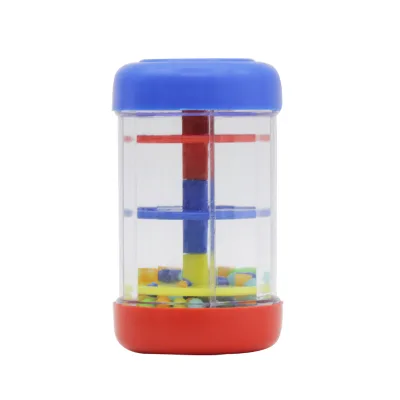
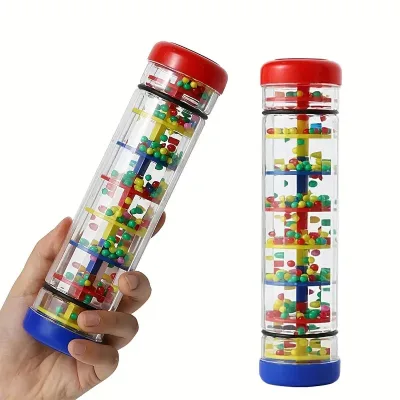
Procurement decisions should prioritize suppliers who provide clear specifications regarding the internal mechanics of the rain stick, as the sound generation relies heavily on the precise placement of beads or seeds within the hollow tube. While some listings describe products as "rain drums" or "ring cylinders," true rain sticks function through gravity-fed beads sliding down a textured interior, a mechanism that differs significantly from other percussion instruments. Buyers should verify that the product description explicitly mentions the internal structure and sound production method to ensure the item meets the specific acoustic requirements for sound healing applications.
Product Scope and Observed Listing Signals
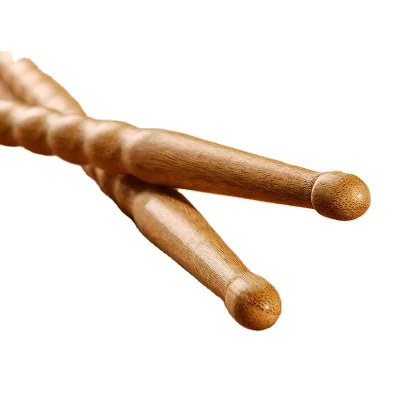
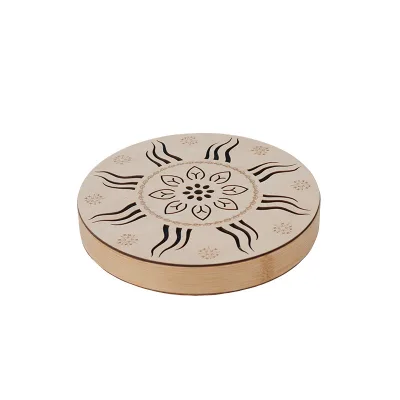
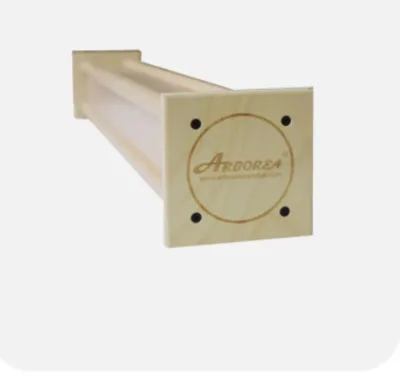
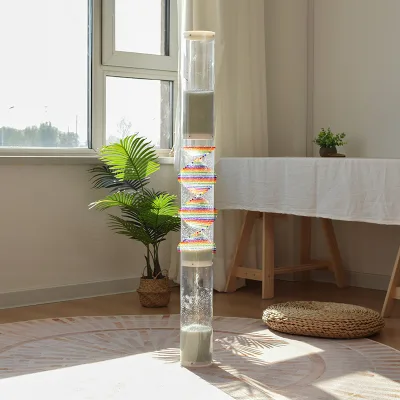
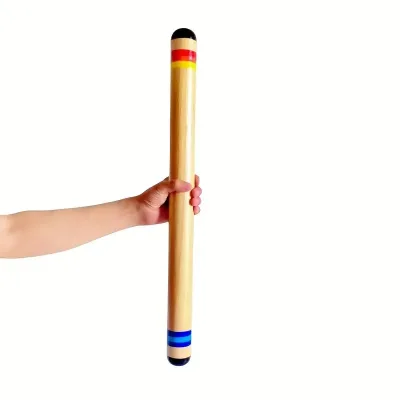
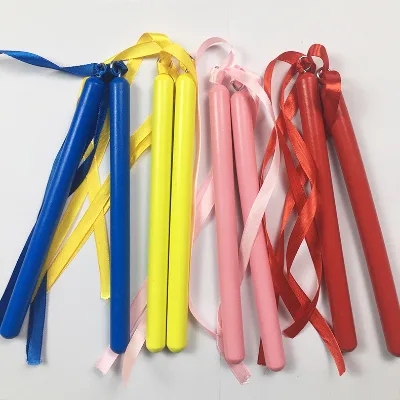
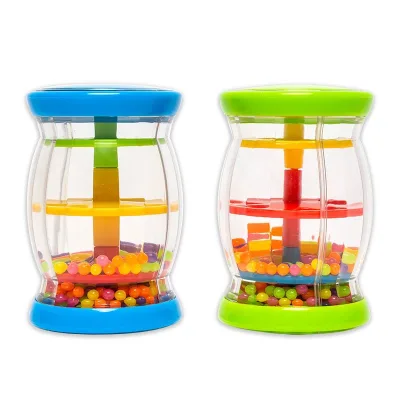
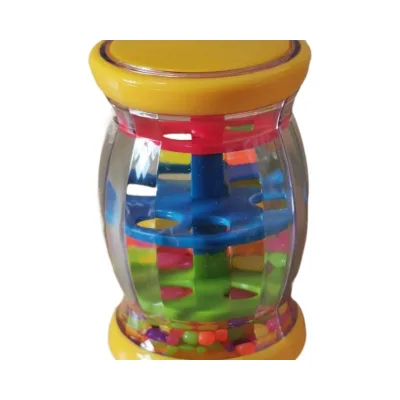
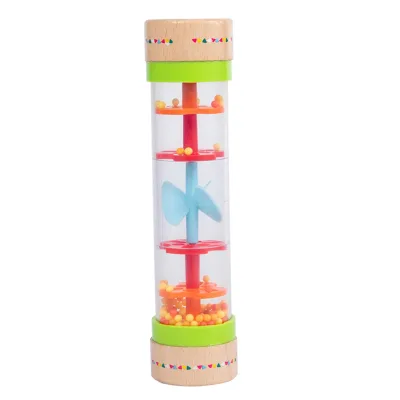
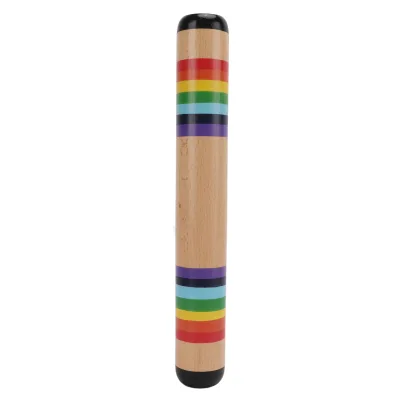
The current market landscape for rain sticks includes a variety of forms, from simple wooden tubes to more complex designs featuring custom logos and specific color options like burlywood or ivory. Observed listings reveal a wide range of single package sizes, from compact 9.5x5.5cm units to larger 68x13.5x13.5cm packages, indicating that buyers must define their spatial requirements before selecting a supplier. The presence of products labeled as "Parent-Child Educational Music Toy" suggests that some manufacturers target the educational sector, while others focus on adult use or professional sound healing environments, necessitating a clear definition of the target audience.
Variability in product attributes such as weight and material composition further complicates the selection process, with observed weights ranging from 80g to 500g and materials spanning bamboo, wood, and plastic. Buyers should note that some listings specify a "High toughness and environmental-friendly" style, which may appeal to eco-conscious procurement strategies, while others emphasize a "smooth hand-feel" for better user interaction. The diversity in selling units, from single items to bulk wholesale options, requires buyers to assess their inventory needs carefully to avoid overstocking or under-supplying their specific market segment.
Technical Specifications to Verify
When evaluating technical specifications, the internal construction of the rain stick is the most critical factor determining acoustic performance. Buyers must verify the material of the tube, as solid wood and bamboo offer different resonance qualities compared to plastic, and confirm the presence of internal beads or seeds that create the sound. The observed data mentions specific model numbers like R-DS5A5B and KG-30, which may correspond to different internal configurations; therefore, requesting detailed diagrams or samples is essential to ensure the internal bead distribution matches the desired sound profile.
Dimensions and weight are also vital technical parameters that affect portability and handling during sound healing sessions. Listings indicate single package sizes varying significantly, from 25x22x8cm to 68x13.5x13.5cm, which directly impacts shipping costs and storage requirements. Buyers should confirm the exact dimensions and weight of the finished product, as these factors influence the user experience and the logistics of transporting the instruments to various locations. Additionally, verifying the single gross weight and packing details ensures that the supplier's shipping estimates are accurate and that the product arrives without damage.
Compliance and Safety Documentation
Safety compliance is paramount when sourcing rain sticks, especially those intended for children or educational settings where the risk of small parts or sharp edges must be mitigated. Buyers should request documentation confirming that the materials used, such as wood or plastic, meet relevant safety standards for toys and musical instruments, particularly regarding toxicity and physical safety. The observed listings mention "Parent-Child Educational Music Toy" applications, which implies a need for strict adherence to child safety regulations, including checks for choking hazards and the durability of the internal components.
For products marketed for professional sound healing or adult use, compliance with general product safety standards remains important to ensure the instrument is free from harmful substances. Buyers should verify that the supplier provides certificates of analysis or compliance for the materials used, such as bamboo or solid wood, to confirm they are treated and finished safely. Additionally, checking for any specific certifications related to environmental friendliness or sustainable sourcing can help align the procurement with corporate social responsibility goals, ensuring that the product meets both safety and ethical standards.
Cost Drivers and Commercial Terms
The cost of rain sticks is influenced by several factors, including the material quality, the complexity of the internal mechanism, and the level of customization required. Listings show a wide price range, from 0.1 to 500 USD, reflecting the diversity in product quality and features. Buyers should understand that higher prices often correlate with better acoustic performance, more durable materials, and additional customization options like custom logos or specific color finishes, which can significantly impact the final unit cost.
Commercial terms such as Minimum Order Quantity (MOQ) and lead times vary widely among suppliers, with observed MOQs ranging from 2 pieces to 5000 pieces. This variability allows buyers to negotiate terms that fit their budget and inventory strategy, but it also requires careful planning to avoid excessive stock or production delays. Buyers should clarify the payment terms, shipping costs, and any potential volume discounts, as these elements collectively determine the total cost of ownership and the financial feasibility of the procurement project.
Supplier Qualification and Quality Control
Selecting a qualified supplier involves verifying their production capabilities and quality control processes to ensure consistent product performance. The observed data indicates that many suppliers are located in Guangdong and Zhejiang, China, regions known for manufacturing musical instruments and educational toys. Buyers should assess the supplier's experience in producing rain sticks specifically, rather than general percussion instruments, to ensure they have the expertise required to create high-quality acoustic products.
Quality control measures should include rigorous testing of the sound output, structural integrity, and finish of the rain sticks. Buyers should request samples to evaluate the smoothness of the hand-feel, the durability of the material, and the consistency of the sound produced. Additionally, verifying the supplier's ability to provide custom logos and colors as requested is essential for branding purposes. Establishing a clear communication channel for quality feedback and ensuring the supplier has a robust process for handling defects will help maintain high standards throughout the procurement process.
Long-Term Procurement Checks
Establishing a long-term relationship with a supplier requires regular performance reviews and ongoing quality assurance checks to maintain product consistency. Buyers should implement a schedule for periodic sampling and testing to ensure that the rain sticks continue to meet the specified acoustic and physical standards over time. This proactive approach helps identify any potential issues early, allowing for timely corrective actions and preventing disruptions in the supply chain.
Sustainability and ethical sourcing should also be monitored as part of long-term procurement strategies, especially given the emphasis on environmental-friendly styles in some listings. Buyers should regularly review the supplier's practices regarding material sourcing, waste management, and labor conditions to ensure alignment with corporate values and regulatory requirements. By maintaining a focus on continuous improvement and ethical standards, buyers can build a resilient supply chain that supports both business goals and broader social responsibilities.
FAQs
What materials are used for sound healing rain sticks?
Sound healing rain sticks are typically crafted from bamboo, solid wood, or plastic. Bamboo offers a natural aesthetic with high toughness, while solid wood provides durability for educational or professional use. Plastic variants are often colorful and designed for children. The material choice impacts the acoustic resonance and the overall weight of the instrument, ensuring it meets specific performance needs for different users.
Can I customize the logo on these rain sticks?
Yes, many manufacturers offer custom logo services for rain sticks. You can apply your brand identity to the product surface, often using OEM or ODM approaches. This customization is available for various materials including bamboo and wood. It allows businesses to create branded merchandise or educational tools. Ensure you provide high-resolution artwork to maintain clarity during the printing or engraving process on the chosen material.
What is the typical MOQ for ordering rain sticks?
The minimum order quantity varies by supplier and product type. Some manufacturers accept low MOQs starting from 2 pieces for sample testing or small retail orders. Others may require 100 pieces or more for bulk production runs. It is essential to check the specific MOQ for the model you select, as smaller items like plastic rings may have different thresholds compared to larger wooden percussion instruments.
How are rain sticks packaged for shipping?
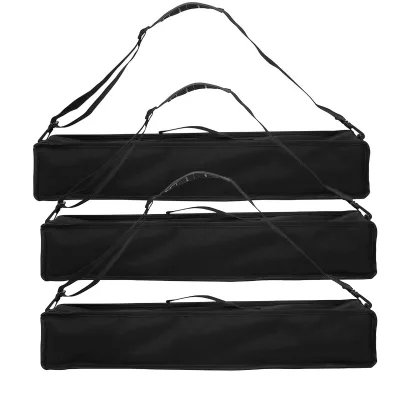
Rain sticks are packaged to ensure safety during transit. Common methods include individual OPP bags for smaller plastic items or sturdy cartons for larger wooden models. The packaging dimensions and gross weight are calculated to optimize shipping costs. For example, single package sizes range from compact boxes for small toys to larger cartons for full-sized sticks. Proper packing protects the instrument from damage and moisture.
Where are sound healing rain sticks typically manufactured?
These instruments are primarily manufactured in China, with significant production hubs in Guangdong and Zhejiang provinces. Guangdong is known for diverse manufacturing capabilities, including bamboo and wood products. Zhejiang also hosts factories producing educational music toys and percussion instruments. Sourcing from these regions allows buyers to access a wide range of suppliers with varying specializations in materials and customization services.
What styles are available for wooden rain sticks?
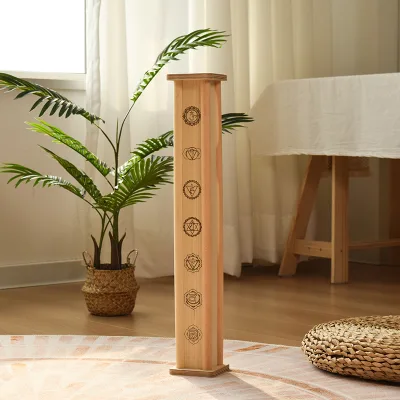
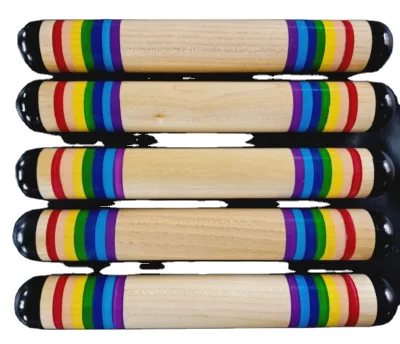
Wooden rain sticks come in various styles, including natural burlywood finishes or ivory colors. Some designs feature leaf or water drop patterns for aesthetic appeal. The style often correlates with the intended use, such as parent-child educational toys or professional percussion. High toughness and environmental-friendly materials are common selling points. Buyers can choose styles that match their brand identity or target audience preferences.